
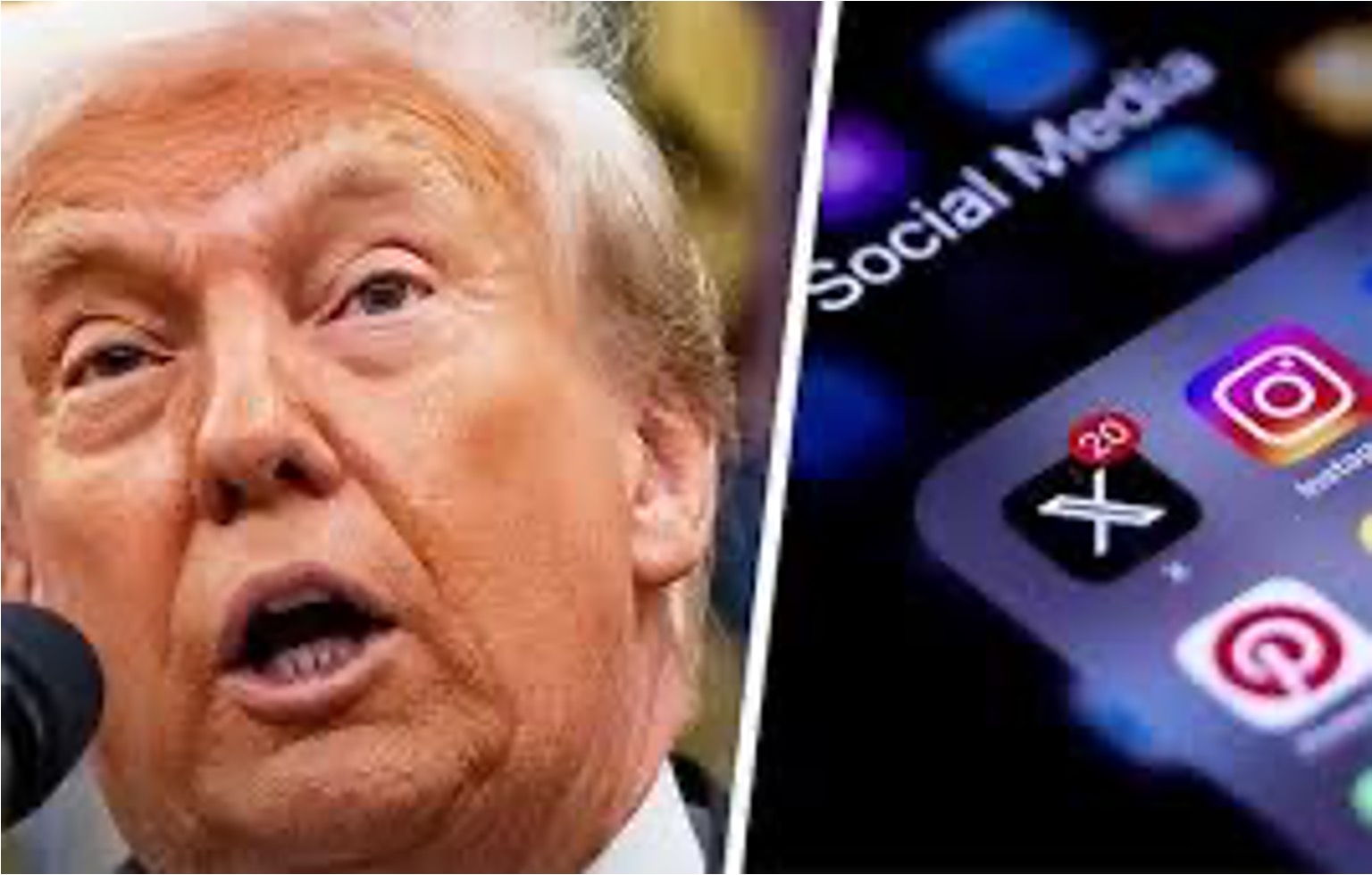
Concerns over free expression intensified this week after the White House confirmed plans to tighten vetting for millions of foreign travellers, prompting an outcry from civil liberties advocates who say the initiative would place unprecedented scrutiny on visitors’ digital lives.
The Department of Homeland Security is drafting new requirements that would compel applicants from 42 countries—including close US partners such as the UK, Ireland, Germany, France, Japan and Australia—to submit extensive records of their digital activity before qualifying for entry under the ESTA visa-waiver programme.
According to government documents, applicants would be asked to provide social media identifiers from the past five years, along with telephone numbers used over the same period and email addresses dating back a decade.
Rights organisations warned that the scale of the proposal amounts to a major curtailment of free speech.

Concerns over free expression intensified this week after the White House confirmed plans to tighten vetting for millions of foreign travellers, prompting an outcry from civil liberties advocates who say the initiative would place unprecedented scrutiny on visitors’ digital lives.
The Department of Homeland Security is drafting new requirements that would compel applicants from 42 countries—including close US partners such as the UK, Ireland, Germany, France, Japan and Australia—to submit extensive records of their digital activity before qualifying for entry under the ESTA visa-waiver programme.
According to government documents, applicants would be asked to provide social media identifiers from the past five years, along with telephone numbers used over the same period and email addresses dating back a decade.
Rights organisations warned that the scale of the proposal amounts to a major curtailment of free speech.
Jemimah Steinfeld, chief executive of Index on Censorship, said the implications were far-reaching: “The seriousness of this move should not be downplayed… Will admission to the USA be predicated on being nice about the president? That would be censorship pure and simple,” she said, adding that many would inevitably “start to self-censor to keep the door to the USA open to them.”
Amnesty International UK called the policy “wildly out of proportion to any legitimate border need,” while the group’s technology and human rights lead, Javier Ruiz Diaz, described the moment as proof of how “slippery slopes” on surveillance can rapidly turn into “cliffs”.
Other voices expressed alarm that the US government could gain access to an enormous archive of lawful speech. Matthew Feeney of Big Brother Watch said: “The US government would each year have access to millions of years’ worth of social media content… This would encourage millions of law-abiding people, including many American citizens, to self-censor criticism of the US government.”
The European Union also reacted, with German MEP Birgit Sippel calling the measures “a dramatic overreach and breach of fundamental rights”, noting the “ironic” timing following President Trump’s criticism of the EU’s recent fine against X.
Human Rights Watch’s Minky Worden characterised the prospective rules as “an outrageous demand that violates fundamental free speech and free expression rights”.
President Trump defended the plan, telling reporters: “We want safety. We want security. We want to make sure we’re not letting the wrong people come into our country.”
But EU officials said they had seen no formal confirmation and declined to assess potential effects on their staff. The UK-based Free Speech Union similarly declined to weigh in, citing its policy of not commenting on other countries’ internal matters.
The announcement triggered swift commentary online. The satirical programme Have I Got News for You quipped on X that there should be no issue “because we’ve always said Trump’s ideas are great and he’s a good person.”
Investors and journalists warned that the plan could deter tourism, with Seth Bannon writing: “This is insane… No thanks won’t be visiting anytime soon!” before correcting himself: “Oh no whoops no that’s the US, not China.”
Some critics pointed out that the requirements could place prominent foreign officials at risk of additional scrutiny. Within the past five years alone, UK prime minister Keir Starmer has described the 2021 Capitol rioters as “a direct attack on democracy”.
Older posts from British ministers—including Wes Streeting’s 2017 description of Trump as an “odious, sad, little man” and Liz Kendall’s criticism that he was “degrading [the] office of the president”—could also fall within the proposed review window.
Privacy specialists stressed that online histories should not be treated as static markers of belief.
Jeremy Bradley, managing director of Zama, warned that “personal choice and freedom of expression shouldn’t be sacrificed in the name of surveillance,” arguing that privacy “is about dignity and the freedom to be human.”
Major platforms—including X, TikTok and Meta—were asked for comment on the proposed policy but have not yet responded.
Adapted From: