
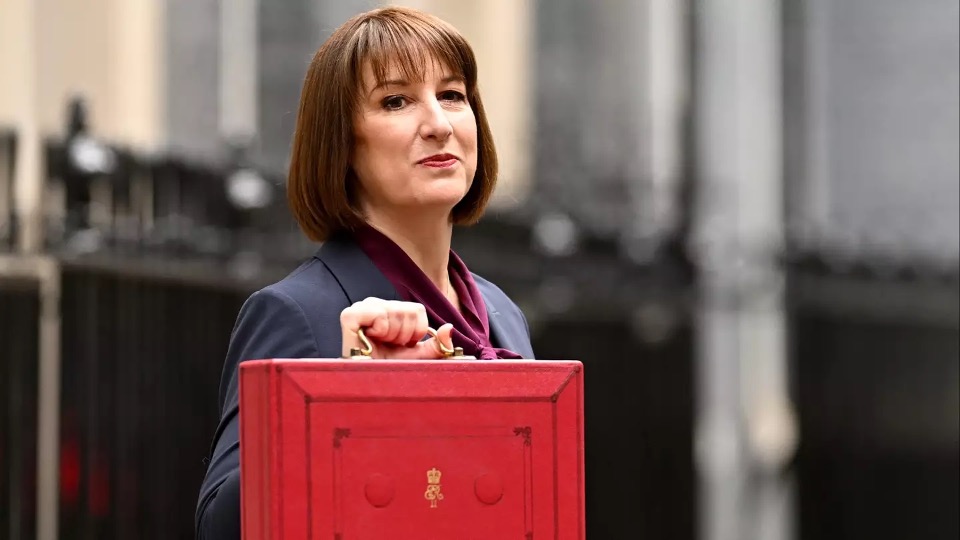
Finance Minister Rachel Reeves is expected to outline tax increases aimed at preserving market confidence amid concerns over Britain’s economic outlook.
“We expect the Chancellor, Rachel Reeves, to raise taxes by about £38bn ,,, which will trim GDP growth, weigh on inflation and contribute to more interest rate cuts,” said Ruth Gregory, Deputy Chief UK Economist at Capital Economics. “That is likely to be received warmly by the markets and could prevent Reeves from having to come back with more tax rises next year.”
Looking ahead, the Bank of England is widely expected to reduce interest rates by 25 basis points to 3.75% at its December meeting, as policymakers assess the economic impact of fiscal tightening.
A recent survey by YouGov for Citi added weight to that view, showing the British public’s 12-month inflation expectations declined to 3.7% in November from 4.2% in October. Longer-term expectations also eased, falling to 3.9% from 4.2%.

European equities opened higher on Wednesday as investors weighed rising expectations of a U.S. interest rate cut against the prospect of fresh tax measures in Britain later in the day.
By early morning trade, Germany’s DAX was up 0.6%, France’s CAC 40 had gained 0.6%, and the U.K.’s FTSE 100 was 0.1% higher.
Fed Expectations Lift Global Sentiment
European markets tracked gains in Asia and on Wall Street as expectations strengthened that the Federal Reserve will ease policy when it meets on Dec. 9 and 10.
In the United States, the S&P 500 recorded a third straight day of gains on Tuesday after data showed retail sales rising less than expected and consumer confidence weakening — developments that reinforced speculation of an imminent rate cut.
Market pricing reflected a sharp shift in sentiment. According to the CME FedWatch tool, traders are assigning an 82.7% probability of a 25-basis-point cut at the Fed’s December meeting, up from 43.4% a week earlier.


Britain’s Budget Moves to Center Stage
With no major European economic data scheduled for release, attention is turning to the U.K. government’s Autumn Budget, due later in the session.
Finance Minister Rachel Reeves is expected to outline tax increases aimed at preserving market confidence amid concerns over Britain’s economic outlook.
“We expect the Chancellor, Rachel Reeves, to raise taxes by about £38bn ,,, which will trim GDP growth, weigh on inflation and contribute to more interest rate cuts,” said Ruth Gregory, Deputy Chief UK Economist at Capital Economics. “That is likely to be received warmly by the markets and could prevent Reeves from having to come back with more tax rises next year.”
Looking ahead, the Bank of England is widely expected to reduce interest rates by 25 basis points to 3.75% at its December meeting, as policymakers assess the economic impact of fiscal tightening.
A recent survey by YouGov for Citi added weight to that view, showing the British public’s 12-month inflation expectations declined to 3.7% in November from 4.2% in October. Longer-term expectations also eased, falling to 3.9% from 4.2%.
Adapted From: Investing.com
