
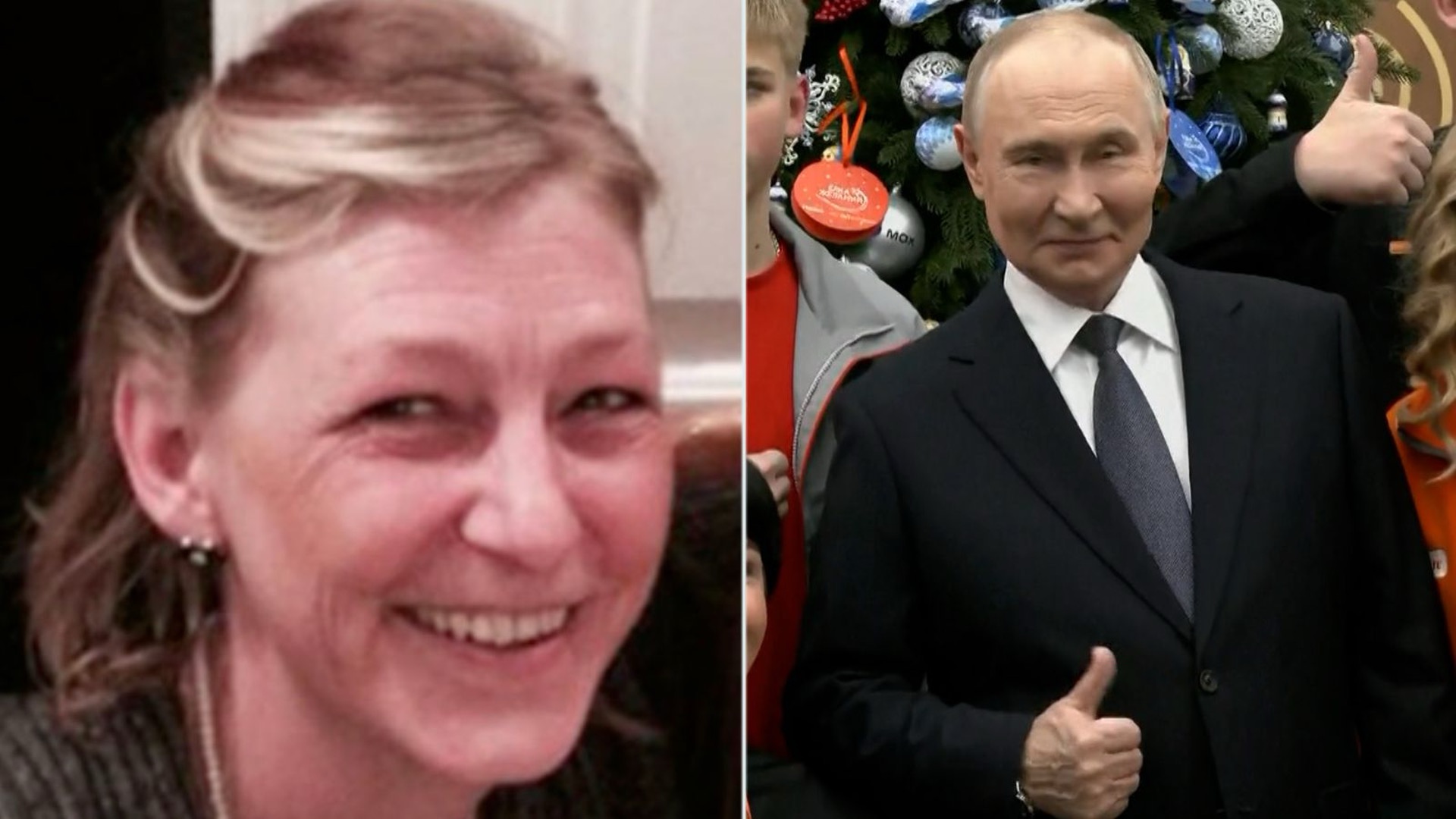
Russia’s top diplomat in London has dismissed the conclusions of a UK inquiry into the 2018 Salisbury poisonings, rejecting the panel’s determination that President Vladimir Putin “must have” approved the use of a nerve agent and was therefore “morally responsible” for the death of Dawn Sturgess.
The response came after the publication of the long-awaited report examining the attack that targeted former Russian intelligence officer Sergei Skripal and his daughter, but ultimately led to the fatal exposure of Sturgess four months later.
Speaking in London, Russian Ambassador Andrei Kelin rejected the inquiry’s central findings and maintained that his government bore no responsibility.
“It’s a tragic death, it is of course sad and Russia has nothing to do with it,” he said. He added that he had no message for Sturgess’s family, insisting Moscow was not connected to the events.

Russia’s top diplomat in London has dismissed the conclusions of a UK inquiry into the 2018 Salisbury poisonings, rejecting the panel’s determination that President Vladimir Putin “must have” approved the use of a nerve agent and was therefore “morally responsible” for the death of Dawn Sturgess.
The response came after the publication of the long-awaited report examining the attack that targeted former Russian intelligence officer Sergei Skripal and his daughter, but ultimately led to the fatal exposure of Sturgess four months later.
Moscow denies involvement
Speaking in London, Russian Ambassador Andrei Kelin rejected the inquiry’s central findings and maintained that his government bore no responsibility.
“It’s a tragic death, it is of course sad and Russia has nothing to do with it,” he said. He added that he had no message for Sturgess’s family, insisting Moscow was not connected to the events.
Kelin went further, alleging that the poisonings of Skripal and his daughter had been staged by British authorities.
“The script is very elaborated,” he said.
“It has been done by very talented professionals. It reminds me of Ian Fleming or even Agatha Christie.”
The ambassador offered no evidence for the claim.

Evidence presented by UK investigators
His remarks stand in contrast to the extensive documentation released over several years by UK officials and independent investigative groups, which attribute the operation to Russian military intelligence.
The Organisation for the Prohibition of Chemical Weapons—of which Russia remains a member—verified that the nerve agent used was novichok, a substance developed in the Soviet era and not manufactured elsewhere.
The public inquiry concluded that two operatives from Russia’s GRU spy agency, travelling under the names Alexander Petrov, 46, and Ruslan Boshirov, 47, transported the novichok to the UK concealed in a Nina Ricci perfume bottle. Investigators found the pair had arrived in London on 2 March with a third officer, identified as Sergey Fedotov, before travelling to Salisbury.
How the attack unfolded
According to the inquiry, Petrov and Boshirov likely used the same perfume bottle to apply the nerve agent to the front door of Skripal’s home. The container was later “carelessly discarded,” the report said—an act that ultimately resulted in Sturgess coming into contact with the substance months later.
The Skripals survived the poisoning, which prompted a broad diplomatic backlash and the expulsion of Russian diplomats across Europe and North America. Sturgess died after handling the discarded bottle, marking the only fatality in the incident.
Adapted From: