
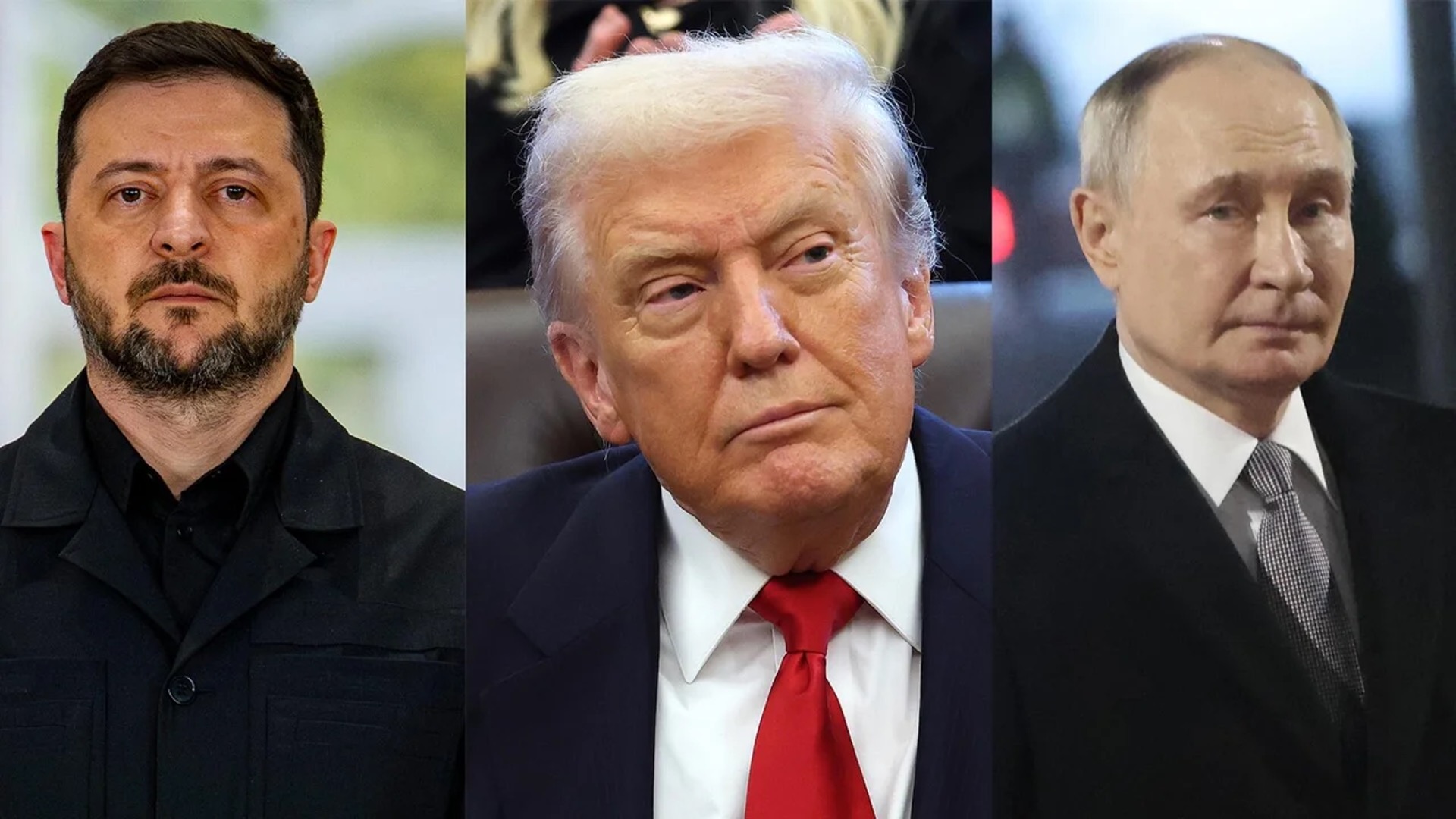
Russia has acknowledged that negotiations brokered by the United States to end the war in Ukraine are being conducted in earnest, while warning that any settlement remains distant and will not involve significant compromises from Moscow.
Kremlin spokesman Dmitry Peskov told state media on Wednesday that discussions were continuing and that “the process is serious.” His remarks underscored Moscow’s willingness to engage diplomatically, even as senior officials stressed there would be no shift in core positions.
The U.S. initiative, however, has generated concern in Kyiv and in European capitals. Ukrainian and European officials have objected to provisions they say mirror Russian demands — including territorial concessions by Ukraine, limits on its armed forces and a prohibition on joining NATO.
Those objections appear to have had an effect. The framework has since been adjusted, with reports indicating parts of the proposal now reflect at least some of the concerns raised by U.S. allies.

Russia has acknowledged that negotiations brokered by the United States to end the war in Ukraine are being conducted in earnest, while warning that any settlement remains distant and will not involve significant compromises from Moscow.
Kremlin spokesman Dmitry Peskov told state media on Wednesday that discussions were continuing and that “the process is serious.” His remarks underscored Moscow’s willingness to engage diplomatically, even as senior officials stressed there would be no shift in core positions.
The renewed diplomatic effort is being driven by U.S. President Donald Trump, whose administration is pursuing a 28-point framework for ending the conflict. The proposal, which was leaked last week, is accompanied by plans to dispatch top envoy Steve Witkoff to Moscow in the coming days.
The U.S. initiative, however, has generated concern in Kyiv and in European capitals. Ukrainian and European officials have objected to provisions they say mirror Russian demands — including territorial concessions by Ukraine, limits on its armed forces and a prohibition on joining NATO.
Those objections appear to have had an effect. The framework has since been adjusted, with reports indicating parts of the proposal now reflect at least some of the concerns raised by U.S. allies.


Trump has publicly suggested negotiations are moving forward. Even as Russian troops have continued to advance in recent weeks, he said Moscow was offering concessions and that the war, while continuing for now, was moving “in one direction.”
Behind the scenes, however, Russian officials have been far less optimistic.
Deputy Foreign Minister Sergei Ryabkov told reporters on Wednesday that “there can be no question of any concessions or any surrender of our approaches to those key points.”
Analysts say the disparity between U.S. and Russian messaging points to diverging expectations at the negotiating table.
Jim Townsend, a senior fellow at the Center for a New American Security, told Al Jazeera that Moscow likely views Trump as impatient and inconsistent — and may exploit those traits by slowing talks rather than yielding ground.
“This could just be a real mess. The Russians don’t feel any pressure. They think they’re going to win if they hold out long enough,” Townsend said, adding that the burden so far has fallen disproportionately on Ukraine’s leadership.
Ukrainian President Volodymyr Zelenskyy said on Tuesday that he was willing to move ahead using the U.S. framework and to engage directly with Trump on disputed issues, provided those discussions include Ukraine’s European partners.
Speaking later the same day at the White House, Trump acknowledged the complexity of the talks but said, “We’re getting close to a deal.”
“I thought that would be an easier [deal], but I think we’re making progress,” he added.
European leaders, however, remain unconvinced that Russia is prepared to halt its military campaign.
EU foreign policy chief Kaja Kallas said on Wednesday there had been “zero indication” that Moscow was ready for a ceasefire. She urged further sanctions and expanded Western support for Ukraine, and insisted any peace accord must impose clear obligations on Russia.
“The focus of any agreement must be on what Russia should do,” she said, adding Europe must ensure Moscow “will never attack again”.
German Chancellor Friedrich Merz echoed those concerns in an address to lawmakers in Berlin, warning that European consent was not optional.
“An agreement negotiated by great powers without the approval of the Ukrainians and without the approval of the Europeans won’t be a basis for a real, sustainable peace,” Merz said.
“Europe is not a plaything but a sovereign actor for its own interests and values,” he added.
Adapted From: ALJAZEERA
