
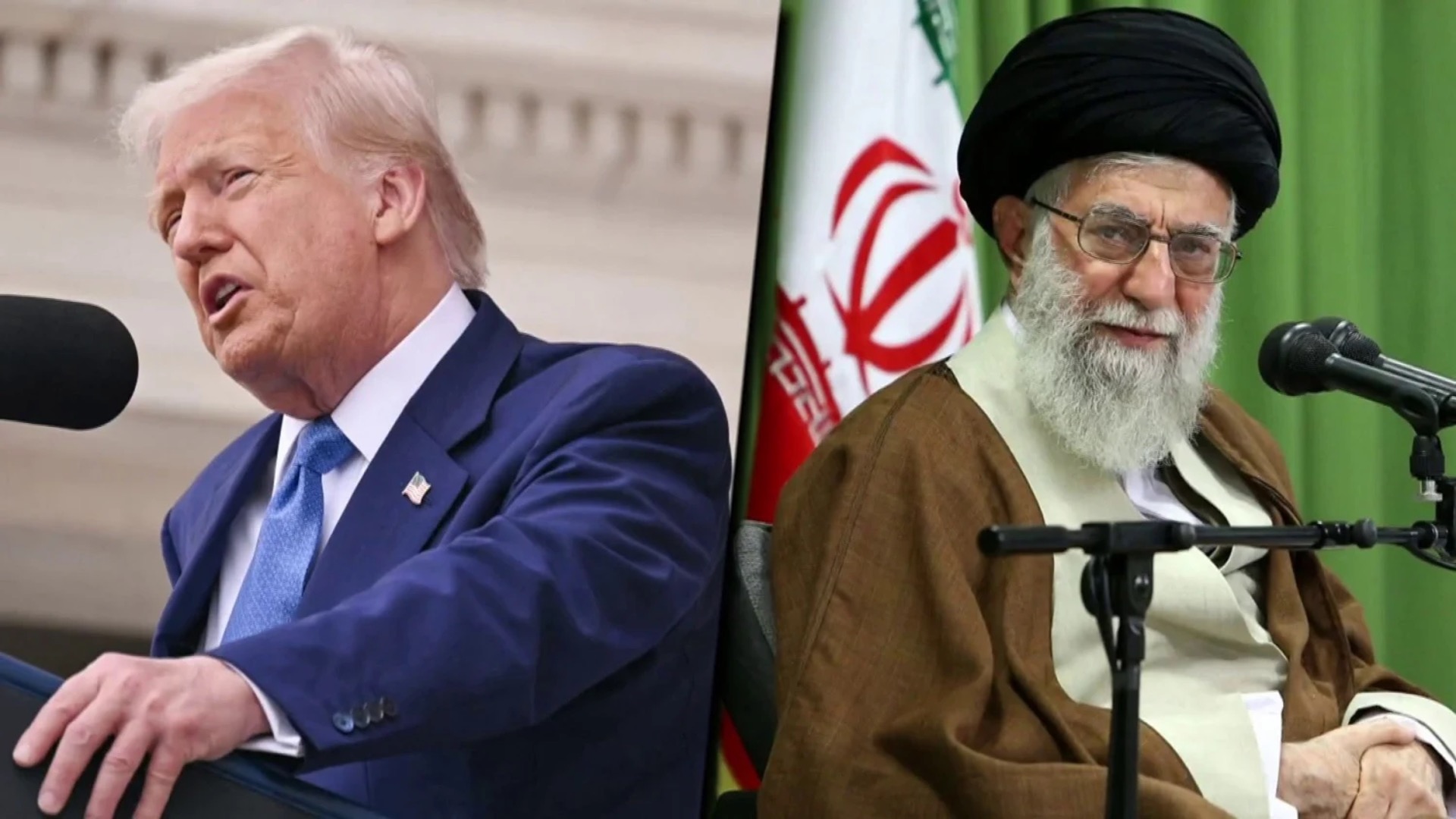
Indirect negotiations between the United States and Iran concluded in Oman on Friday without any substantive breakthrough, with both sides holding firmly to their existing positions, according to reporting by The Wall Street Journal.
The talks were conducted through intermediaries rather than direct engagement, with Omani officials shuttling between the two delegations.
People familiar with the discussions said neither Washington nor Tehran offered meaningful concessions during the exchange.
The talks marked a resumption of indirect nuclear diplomacy after weeks of escalating tensions, triggered in part by U.S. President Donald Trump’s public threat of military action against Iran.

Indirect negotiations between the United States and Iran concluded in Oman on Friday without any substantive breakthrough, with both sides holding firmly to their existing positions, according to reporting by The Wall Street Journal.
The talks were conducted through intermediaries rather than direct engagement, with Omani officials shuttling between the two delegations.
People familiar with the discussions said neither Washington nor Tehran offered meaningful concessions during the exchange.
The outcome left the broader trajectory of nuclear diplomacy uncertain. Regional officials and analysts had already tempered expectations ahead of the meeting, and it remained unclear whether the discussions altered prospects for a negotiated resolution to disputes surrounding Iran’s nuclear program.
Despite the lack of tangible progress, Iranian Foreign Minister Abbas Araghchi struck a cautiously optimistic tone, characterizing the talks as a “good start.”


He said discussions could continue if mutual distrust is reduced, adding that the parties agreed to maintain the process and potentially reconvene in Muscat at a later date.
Oman’s Foreign Minister, Badr Albusaidi, described the talks as “very serious,” saying they helped clarify each side’s positions and identify areas where progress might eventually be possible.
The talks marked a resumption of indirect nuclear diplomacy after weeks of escalating tensions, triggered in part by U.S. President Donald Trump’s public threat of military action against Iran.
THE THIRD FORCE
